
The city that gave the world laneway dining and rooftop cinema is now embracing something quieter — and somehow louder. Listening bars are popping up across suburbs from Fitzroy to Collingwood. People are showing up just to hear music. Not dance to it. Not talk over it. Just listen.
The concept started in Japan. Tokyo’s jazz kissa culture dates back to the 1950s. You sit. You order a drink. You let the sound wash over you — often through hi-fi speakers worth more than a car.
Melbourne venues have grabbed that idea and bent it into something local. Think dim lighting, vintage turntables, and staff who actually care about needle pressure. No DJ yelling into a mic.
Australia’s live music scene was worth $1.5 billion before the pandemic hit. It collapsed. Now it’s rebuilding — differently. Intimate venues under 100 capacity grew by 22% in Melbourne between 2022 and 2024, according to Music Victoria data.
Listening bars sit inside that shift. Smaller. More deliberate. Fully intentional.
Pandemic isolation changed how people relate to sound. Headphones became survival gear for two years straight. Coming out the other side, many listeners craved something shared — but still personal.
Melbourne’s café culture primed people perfectly. Sitting with strangers in comfortable silence feels natural here. Add a Technics SL-1200 and a carefully pressed vinyl pressing of Coltrane, and suddenly you have a whole evening sorted.
Here’s a twist nobody expected. Online socializing actually grew the appetite for these spaces. Apps designed for anonymous group chats—where people gather around shared interests without revealing their identities—exploded in popularity post-2020.
Music channels dominated many of them. People discovered records through conversations in anonymous online chats. Strangers recommended pressings across continents. Still, on the CallMeChat home, strangers unite around the music industry. Such video chats are like meeting a random person at a music bar. They might not share your musical tastes, or they might discover entirely new tracks or musical trends. You never know the end, but the journey should be fun.
Not who you’d expect. The crowd skews 25 to 45. Equal gender split, roughly. A mix of music obsessives and total newcomers.
“I knew nothing about jazz before coming here,” one regular at a Fitzroy venue told a local podcast recently. She’s now building her own collection. That conversion story repeats constantly at these spaces.
Younger audiences are exhausted. Streaming gave them everything and somehow made it feel like nothing. When an algorithm decides your next song before the current one ends, listening becomes passive. Almost automatic.
Listening bars force active attention. The bartender selects the record. You don’t skip. You sit with a B-side you’d never choose yourself. Sometimes it changes you.
Interior design matters enormously here. Not in a trendy, Instagram-bait way. In a deeply considered, acoustic-first way.
Thick curtains. Low ceilings. Timber panels angled to reduce flutter echo. Seating is arranged so speakers project cleanly into the room. These aren’t decisions made by an interior designer working from a mood board. They’re decisions made by people who lose sleep over soundstage width.
Several Melbourne listening bars have begun building communal record libraries. Members suggest titles. A small committee decides what gets purchased. The collection becomes a living portrait of the community’s taste.
This mirrors dynamics found in apps used for anonymous group chats, where communities curate shared resource lists, music picks, and listening queues without individual credit. The collective voice shapes what everyone hears. The ego steps back. The music steps forward.
Early listening bars leaned heavily on jazz and soul. Melbourne venues have pushed further. One Collingwood spot runs a monthly ambient night — four hours of Brian Eno, Midori Takada, and local experimental artists. No talking during playback. Phones in pockets.
Another in Brunswick runs a dedicated hip-hop session every second Sunday. Early 90s East Coast, pressed on original vinyl. Attendance doubled in six months.
Genre doesn’t define the format. Attention defines it.
Listening bars are quiet. Yet they generate fierce community bonds. That sounds contradictory. It isn’t.
Shared silence is one of the most intimate experiences available to strangers. Concert crowds know this. But concerts have a performer to project energy onto. Listening bars strip that away. The music plays. You sit beside someone you’ve never met. You both feel something. You leave something slightly different.
The pipeline from digital music communities into physical venues deserves more attention than it gets. People who spend hours in anonymous online audio discussions — debating pressings, comparing mastering quality, sharing links to obscure recordings — eventually want somewhere to go.
Talking on anonymous chat online creates musical taste in people who then need a room to express it. Listening bars are that room. They convert digital enthusiasm into physical ritual.
These venues operate on thin margins. Premium hi-fi equipment is expensive to maintain. Rent in inner Melbourne has increased sharply. A venue dependent on intimate crowds of 40 people cannot absorb rent increases easily.
Several operators are experimenting with membership models. Pay a monthly fee, receive priority access to special events, and help fund new acquisitions for the record library. Early results look promising.
A listening bar isn’t just a room with good speakers. It’s an argument. A claim that slowness has value. That a song deserves your full attention. That sitting beside a stranger and sharing an experience of pure sound is, in fact, a social act.
Melbourne has always made that kind of argument well. Its laneway culture argued that cramped spaces create intimacy. Its café culture argues that sitting still is productive. Its listening bar culture argues that silence — chosen, communal, musical silence — is a form of connection.
The headphones come off. The room fills. The needle drops. Everyone listens together.
That turns out to be exactly what people needed.
The current most read stories on Forte

11 August 2026
Good Things Festival is back for 2026, bringing Australia’s biggest travelling celebration of heavy, alternative and punk culture back to…
11 August 2026
Australian music fans are in for a summer spectacular when legendary rocker Suzi Quatro returns later this year, bringing her…
7 August 2026
August brings a diverse line-up of live entertainment, music, comedy and community favourites to Hepburn Palais. From iconic songs and…
6 August 2026
Once a house of worship, now a place of discovery, Church is an intimate room made for live performance in…
6 August 2026
Queenscliff Music Festival is turning the volume up on its 2026 return, unveiling another wave of artists set to hit…
6 August 2026
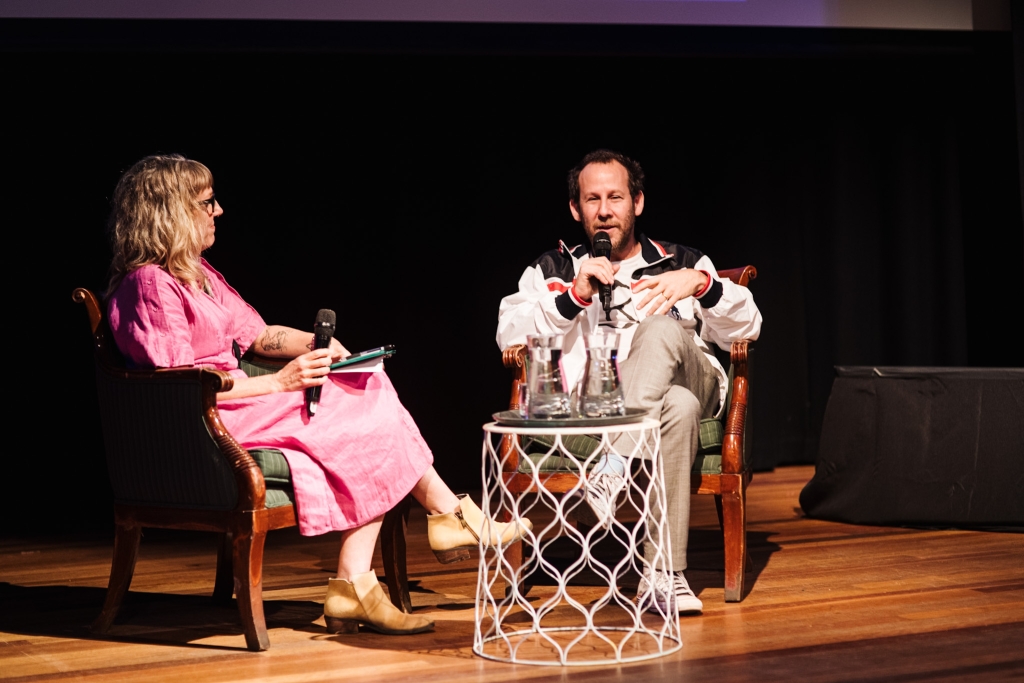
The first 25 speakers have been revealed for the 2026 Regional and Remote Music Summit, which will bring music industry…
5 August 2026
From heavy riffs and nostalgic anthems to alternative rock, punk energy, and intimate songwriting moments, the month’s lineup showcases the…
5 August 2026
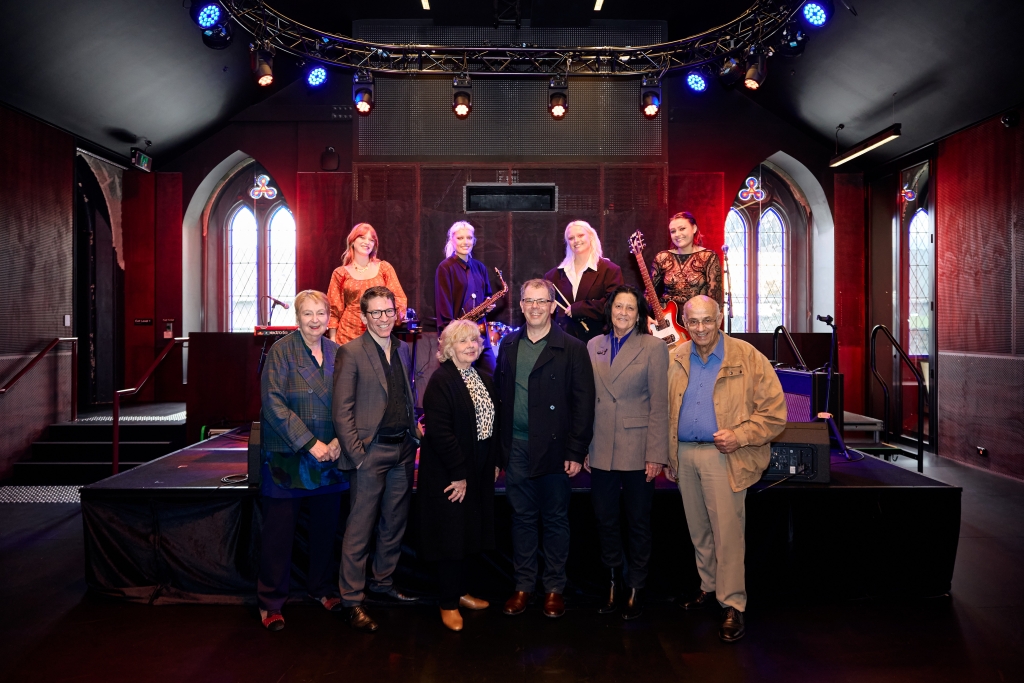
At a special gathering celebrating the generosity of the Costa family and Geelong Arts Centre’s philanthropic community, last night two…