
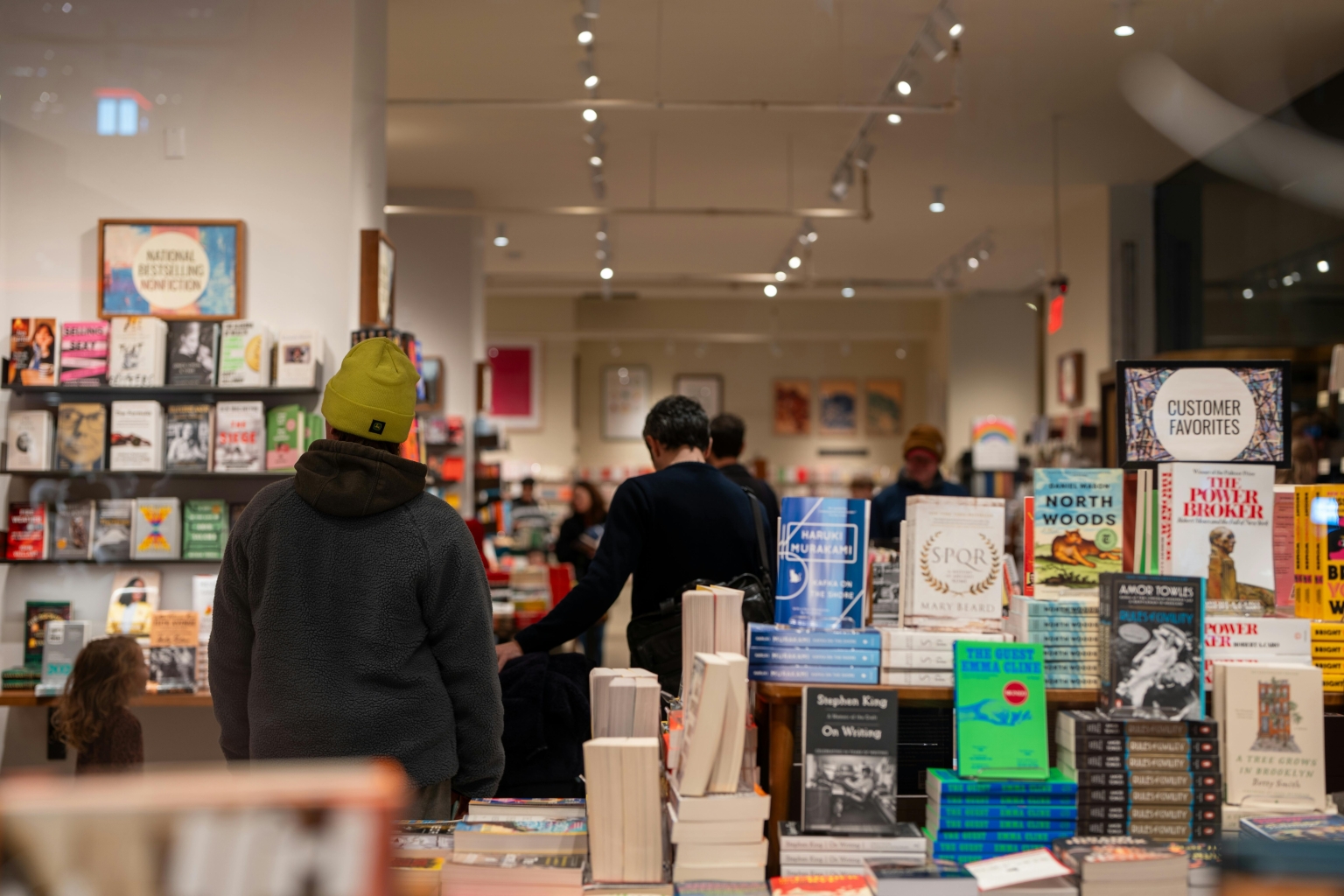
Everyone assumed the internet killed bookshops. They were wrong.
According to the Australian Booksellers Association, independent bookstore numbers rose by around 12% between 2018 and 2023. Sales at indie stores climbed even through the post-pandemic slump that gutted other retail. People came back — and kept coming.
Why? That’s the real question.
Online platforms tell you what to read next. Bookstores let you stumble.
There is a growing fatigue with curated feeds and personalised suggestions. The algorithm knows your history. It does not know your mood on a Tuesday afternoon, or the book you need but didn’t know existed.
Booksellers do.
Staff picks. Handwritten notes taped to shelves. A conversation with someone who actually read the thing. These are experiences no recommendation engine has cracked — and customers increasingly seek them out.
Walk into Readings in Melbourne or Gleebooks in Sydney today. You might find a poetry slam. A zine fair. A panel on climate fiction.
Independent bookstores have quietly reinvented themselves as event venues. Author talks, book clubs, writing workshops, vinyl listening nights — the programming has exploded. Some stores now run 100+ events per year.
Digital platforms have embraced these trends. They still allow readers to read free novels online, which is the main advantage, but they also offer communication with authors, ratings, and other social features. A prime example is free novels FictionMe, where readers regularly discuss thousands of free novels online, including those by Australian authors, recommending them to others, and using shared reading. What’s hard to argue with is that online novels are much more accessible than physical books.
Sociologist Ray Oldenburg called it the “third place” — not home, not work, but somewhere in between.
Cafés used to fill that role. Many still do. But bookstores offer something different: a shared intellectual atmosphere with no expectation to buy anything immediately. You can sit. Browse. Overhear a conversation about Shirley Hazzard and join in.
That is increasingly rare. And increasingly valued.
Loneliness is a documented public health issue in Australia.
The Australian Institute of Health and Welfare flagged social isolation as a growing concern, particularly for adults under 35. Bookstores in the physical world and the FictionMe iOS app in the digital universe have stepped into that gap—not by accident, but by design. Novels are now more accessible than ever, and the books themselves foster discussion and conversation.
Big chains stock the same titles everywhere. Independent stores don’t have to.
A bookshop in Fremantle stocks West Australian poets the major retailers ignore. A store in Hobart runs a whole section on Tasmanian wilderness writing. In Byron Bay, you’ll find shelves deep in First Nations storytelling that the chains treat as a subsection of a subsection.
This is not a niche. This is identity.
BookTok changed things. Not the way most people think.
Viral book recommendations drove millions of new readers into stores — including indie stores — looking for titles that weren’t always easy to find online. According to Nielsen BookData Australia, physical book sales jumped nearly 9% in 2022, partly attributed to social media influence among 18–34 year olds.
The internet brought them in. The experience kept them.
Independent bookstores do something Amazon cannot: they fund the broader literary culture.
They sponsor literary festivals. They champion debut novelists. They give small publishers shelf space. One Australian study found that for every dollar spent at an independent bookstore, approximately 45 cents stays within the local economy — compared to significantly less with large online retailers.
That matters.
The stores thriving today aren’t just selling books. They’re building membership.
Subscription boxes. Reading challenges with prizes. Loyalty programmes that feel personal. Some stores send handwritten birthday notes with a book recommendation tailored to the customer. That is not a retail strategy. That is a relationship.
The bookseller is back as a professional identity.
Stores are hiring people with genuine expertise — in genre fiction, in translated literature, in children’s books — and letting them shape the floor. A staff member who championed an obscure Irish novel before it won the Booker Prize builds the store’s credibility permanently.
Word spreads. Trust compounds.
None of this means the industry is comfortable.
Rent is brutal in inner-city areas. Supply chain disruptions still cause headaches. Margins on books are notoriously thin — often just 40–45% before costs. Many independent stores rely on event revenue, sideline products, and community goodwill to survive the slow months.
It is not easy. It never was.
But the stores that framed themselves as cultural institutions — not just retail — have proven remarkably durable.
They survived the rise of Amazon. They survived the e-reader panic. They survived lockdowns by pivoting to local delivery and virtual events. Each crisis sharpened their sense of purpose.
Australia has always had a complicated relationship with its own culture.
A long history of importing ideas, looking elsewhere, undervaluing the local. Independent bookstores are, in a small but genuine way, pushing back against that tendency. They stock Australian voices prominently. They make space for debate and difficulty.
They say: this story matters, here, now, to us.
A healthy independent bookstore is a sign of a healthy neighbourhood.
Not metaphorically — literally. Research from the American Booksellers Association (data often mirrored in Australian contexts) links the presence of independent bookstores with higher civic participation, stronger local business networks, and greater community cohesion.
Books are the product. Culture is the output.
People aren’t just coming back to buy something. They’re coming back to belong somewhere.
Independent Australian bookstores figured this out — some deliberately, some by instinct — and built spaces where belonging is possible. That is why they are growing again. That is why Saturday afternoons find them full.
Not because books are making a comeback. Because the connection never really went anywhere — we just forgot where to look.
The current most read stories on Forte


13 May 2026
The shortest day of the year heralds a tradition of theatre and community as Theatre 3triple2 presents Winter Solstice –…
22 April 2026
Angelsea’s beloved live music champions, The Sound Doctor, are stepping up with their first all ages show, co-presented with Amplify…

9 April 2026
‘Dream Catch Me’ captured a generation of hopefuls back in 2008, leading to the name Newton Faulkner becoming known. Since…
25 March 2026
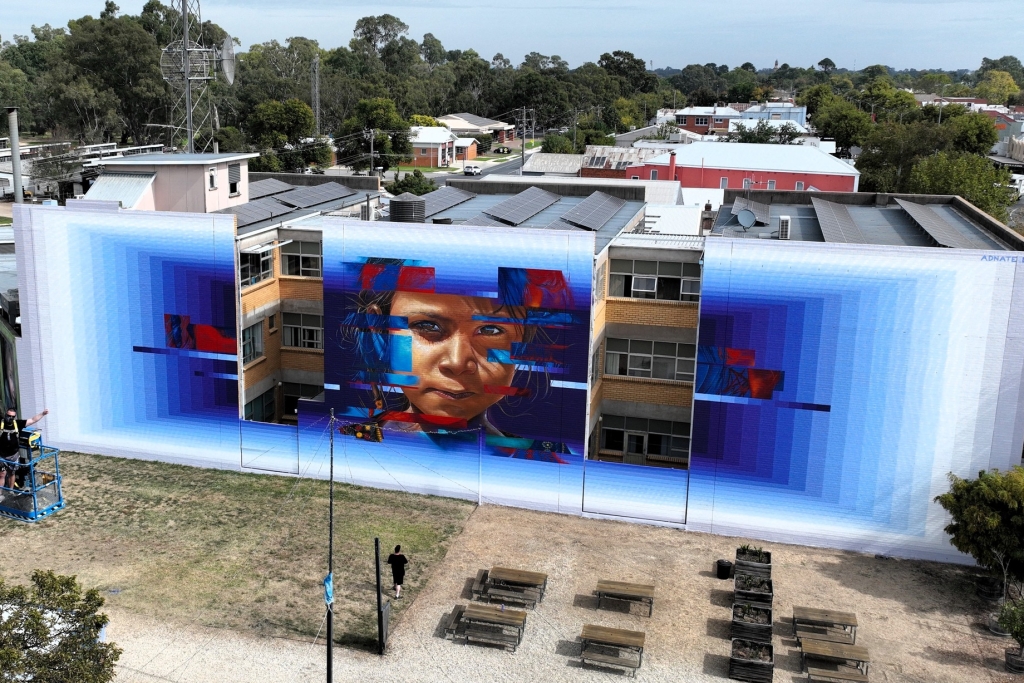
For three electrifying days this April, the streets of Benalla will pulse with colour, creativity and culture. From 17–19 April…
13 March 2026
For over a decade, Northlane have been synonymous with fearless evolution in Australian heavy music. Three-time ARIA winners and internationally…
6 March 2026
Just when you thought the calendar couldn’t get any more packed, Barwon Club has outdone themselves with the back to…
4 March 2026
M. Ward’s music is a world unto itself — one where haunting vocals, intricate guitar work, and evocative storytelling collide…

7 January 2026
In today’s fast-paced world, sleep is often the first thing we sacrifice. However, science consistently shows that the quality of…